Strategy for tax bill survival!

You just pulled a letter out of the mailbox, and the number at the bottom of the page feels like a punch to the gut. Whether it is a few thousand dollars or the price of a mid-sized sedan, the sensation is the same: cold panic. You look at your bank balance, then back at the IRS letter, and the math simply does not work.
I hear this all the time. Clients call me with a shaking voice asking:
I can not pay my tax bill, so now what do I do?
First, take a breath. The IRS is not going to show up at your front door with a moving truck tonight. But they are a very patient, very powerful creditor.
If you do nothing, they will eventually move from sending letters to seizing bank accounts or garnishing your wages. The secret to stopping that cycle is understanding that the IRS actually prefers a steady stream of payments over a long, expensive fight.
This is where the Installment Agreement comes in.
Think of an Installment Agreement as a paper bridge. It carries you from the land of 'Tax Delinquency' back to the land of 'Good Standing.'
If you owe under $50,000, there are often ways to set up what is called a non-simple installment agreement. This is a path where you do not necessarily have to hand over your life story or every bank statement to the IRS. It is a standardized payment plan that gives you up to 72 months to pay off the debt. For many, this is the quickest way to sleep through the night again because once the agreement is in place, the aggressive collection letters stop.
However, if your financial situation is truly dire, a standard payment plan might still feel impossible.
There are more complex versions, like a Partial-Pay Installment Agreement. This is for people who can afford to pay something, but mathematically cannot pay the full debt before the IRS's time limit to collect (usually ten years) runs out. In these cases, we have to show the IRS your real-world living expenses—rent, food, medicine, and car payments—using their specific standards to prove what you can actually afford.
One of the most important things you must know:
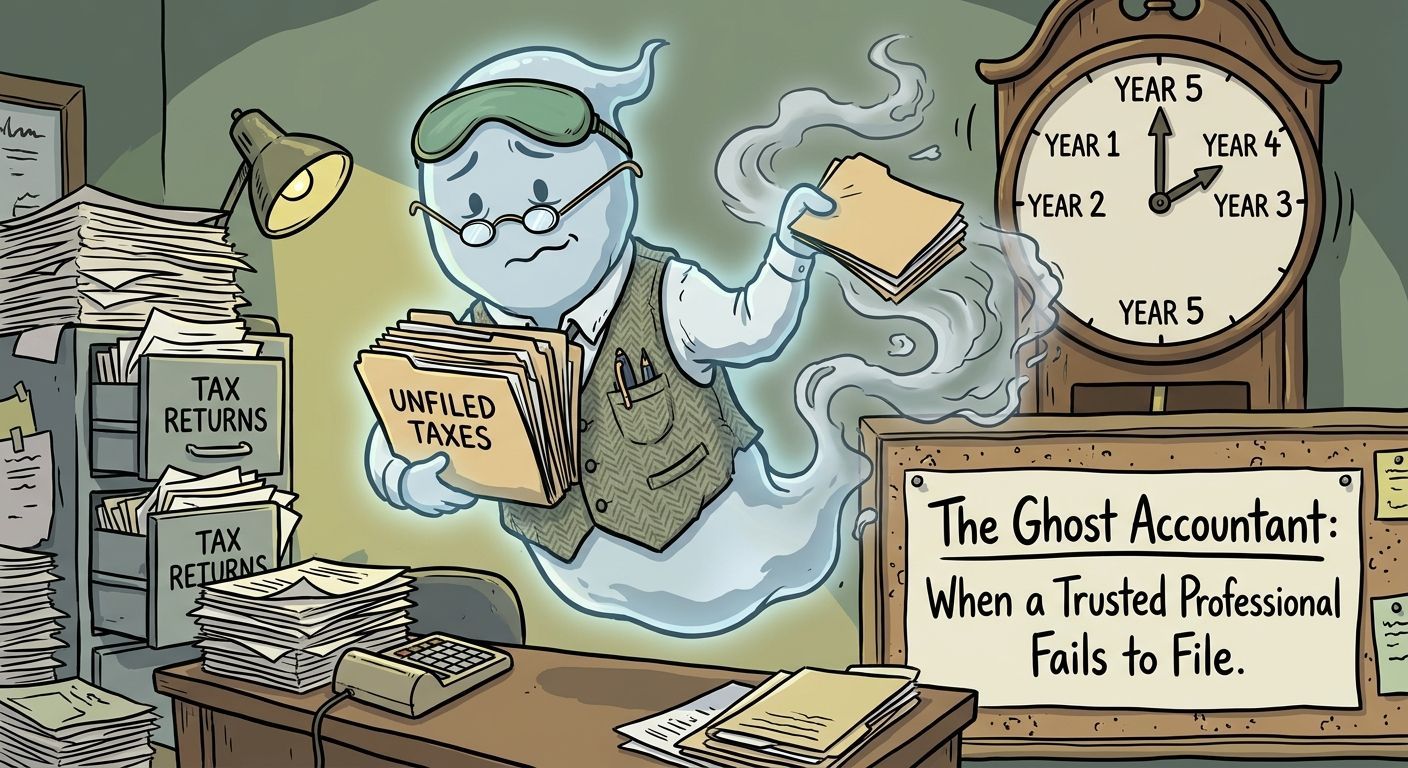
To get any deal with the IRS, you have to be in tax compliance. This means you must have your missing returns filed. The IRS will not negotiate with someone who is still 'out of the system.'
Ignoring the bill is the most expensive thing you can do because the interest and late-payment penalties keep ticking like a high-speed clock.
By stepping forward and proposing a plan, you take the power back. You go from being a target to being a partner in a payment plan.
If the numbers on that letter are keeping you up at night, you do not have to face the A.I. bots or the automated collections system agents alone.
I can look at your specific financial picture and find the right bridge to get you across.
Contact our firm today for a confidential consultation, and let us help you find your way back.
---
Contact us today for a confidential consultation:
Kevin Rego
Law office of Kevin Rego
kevin@regotaxlaw.com
650-933-5222